Anyone who has loaded a box truck on a 108-degree afternoon in Mesa learns quickly that scheduling is not a side detail. Timing dictates how your body holds up, how your belongings travel, and how smoothly you navigate neighborhood logistics from Dobson Ranch to Las Sendas. The best residential moving plans in the Valley balance heat, traffic, school calendars, HOA rules, and the micro-timing of the day itself. Set those levers well, and local residential moving feels efficient and almost calm. Get them wrong, and every small task costs double.
This is a practical guide to timing your move for Mesa conditions, grounded in on-the-ground experience with local residential moving. The guidance applies whether you hire moving services or coordinate a DIY effort with friends and a rented truck. The aim is simple: fewer surprises, less sweat, safer furniture, and a timeline that actually holds.
What the Sonoran calendar teaches you about moving
Desert heat is the loudest variable in Mesa, but it is not the only one. Monsoon moisture, spring pollen bursts, fall weekends filled with ASU events, and winter visitors all shape the calendar. Add school start and end dates, and the local moving market cycles become clear.
Winter sits comfortably in the mid 60s to low 70s. Early spring stays kind, then spikes arrive. Late June through early September can carry triple-digit highs day after day, with monsoon storms popping up in the late afternoon. Late summer thunderstorms bring sudden gusts and sheets of rain that challenge cardboard, ramps, and stairs. Humidity rises briefly when storms roll in, which makes gripping furniture trickier and ramps slick. None of this is a reason to avoid summer moves. It just means you build your schedule around mornings, shade, and tight loading plans.
Traffic patterns feed into the schedule as well. Weekday commutes on the US 60 and Loop 101 can make a five-mile hop take 30 minutes, especially if there is a fender bender near Country Club Drive or Dobson. Saturday mornings are calmer, but popular apartment complexes often bunch move-ins on the first weekend of the month. That means elevator queues and shared loading zones. The calendar within the calendar is the lease cycle itself.
The best months for local residential moving in Mesa
If you have freedom to choose, November through March offers forgiving weather and more predictable windows for movers and building access. Moves during this period rarely face heat-related pauses, and cardboard holds up well. You also tend to see steadier rates for moving services, since demand is flatter after the summer spike and holiday weeks.
April and May are a sweet spot if you can work around graduation weekends when family travel crowds local roads and hotels. The mornings are still gentle, the afternoons warmer but manageable with a hydration plan. If your current lease ends in May, consider negotiating a midweek handoff. The difference between a Saturday afternoon elevator queue and a Tuesday morning open dock can shave hours from your day.
June through September is the busy season for residential moving companies. Some of this demand comes from school calendars and relocations that time with job starts. If you are moving in July or August, grab your preferred date early. Then plan for earlier starts, backup weather covers for sudden storms, and plastic totes for the items you worry about in heavy humidity.
October is a curveball month. Weather is great, but festivals and sports weekends add traffic to the 202 and 101. If you skirt game times and large public events, October looks like spring without the pollen.
The invisible schedule inside moving day
Walk the timeline from the top. A well-timed Mesa move starts at or before sunrise in summer. In winter, an 8 to 9 a.m. start is fine, especially if you want more daylight at the destination. Loading is when energy is highest, and that is when you want stairs, ramps, and heavy items handled. If there is only one elevator, secure a hold as early as the building allows.
Most three-bedroom homes in Mesa take 3 to 6 hours to load if packed correctly and staged near the door. Apartments run faster. Condos with long walks or multiple stair turns add time even with a smaller inventory. Plan transit to avoid the noon stretch on the US 60, especially eastbound. Then front-load the unload. That means beds and privacy items first so you can function if the day stretches. With an early start, a local residential moving job can finish before the serious afternoon heat or monsoon winds pick up.
Hydration breaks are not optional. Shift leaders should check the crew on a schedule. In practice, that looks like five-minute water breaks at the top of each hour in summer and a shade check after heavy lifts. These pauses take minutes and save you time lost to fatigue and mistakes.
How to time packing so move day runs clean
Packing runs on a parallel timeline. In Mesa heat, tape loses tack if boxes sit in a sunlit garage for days. Pack rooms fully, then move sealed boxes to a climate-stable area, ideally a shaded room near the front door. High-risk items such as candles, vinyl records, and cosmetics should be last in the truck and first out at destination. If your garage is your staging area, lay pallets for airflow and keep sensitive boxes inside until the last hour.
Labeling is a timing tool. Clear labels shorten unload time and minimize backtracking. If you write the room name on two adjacent sides and the top, you reduce the pivoting and guessing that slows down a hand truck run. A simple numbering system helps too: Bedroom 1, boxes 1 through 12 means you know when a room is fully out and household routines can pick up.
For Mesa’s monsoon window, rolls of stretch wrap and a dozen large trash bags earn their keep. You can slip a trash bag over a box of linens if a surprise storm hits during a ramp walk. Stretch wrap turns a tall dresser and its drawers into a single unit that handles better if wind picks up. It also keeps dust out during brief stops with open doors.
The local rules and micro-timings that save you hours
Neighborhoods in Mesa vary more than out-of-towners expect. Some master planned communities enforce strict moving hours, noise rules, or require gate codes for deliveries. If you forget to preload those gate codes in the morning and your phone dies in the sun, the day can go sideways fast. Call the HOA or property manager a week ahead to confirm moving hours, loading zones, and any required certificates of insurance for moving trucks.
Apartments and condos have their own choreography. Reserve elevators early, get the protective pads, confirm whether there is a separate freight elevator, and ask where the truck can stage without blocking fire lanes. For popular complexes near Mesa Community College or Riverview, it is common to see multiple move-ins stacked in the same window. An early elevator lock and a gentleman’s agreement with the other households can keep everyone moving. A simple whiteboard with times and floors has solved more dock disputes than any policy.
Street parking rules matter near downtown Mesa. Time your truck arrival after the morning street cleaning window and before lunch traffic. On narrow streets, a spotter helps keep the truck aligned and clear of bike lanes. If your street is tight, ask neighbors about their gardener or pool service schedules so you do not box in another truck and end up negotiating for space at the worst moment.
When to book moving services and how far ahead
Demand for local residential moving spikes around the first and last weekends of each month. In Mesa, add a half-spike around mid-month for lease starts that offset by a week. If you want a Saturday morning in June or July, book two to four weeks in advance to have real choice. Midweek moves often carry more flexibility. If you can plan for a Tuesday or Wednesday, you will find easier access to service providers and building resources.
For winter moves, a week or two is usually enough notice unless you are locking in a very specific hour. Holiday weeks complicate things because crews take time off and municipal services operate on adjusted schedules. If your move lands near Christmas or New Year’s, confirm trash pickup days, elevator availability, and any office closures that might delay key handoffs.
What I have learned from summer apartment moves near Dobson and Southern
A common pattern repeats: two roommates, second-floor walk-up, a lean inventory with more books than anyone admits. The difference between a good day and a hard one is usually the loading sequence and a 6 a.m. key pickup versus a 9 a.m. pickup. Keys at 6 means boxes staged at the door before sunrise, truck loaded by 9, and you are rolling while it is still in the high 80s. Keys at 9 stacks the whole day into the peak heat. The second pattern is the ramp angle. Parking on a slight incline increases lift effort by a surprising amount, especially on two-wheeled dollies. If the curb cut gives you a flatter line 30 feet down, take it. You will feel the difference by the third trip.
How Homelove Movers - AZ sequences a hot-day move
Experienced crews operate on muscle memory and routines that shave time without rushing. On a 104-degree day, a practical sequence might look like this: walkthrough and labeling check, path clearing, padding of door frames, then a two-person heavy item run before the bulk box flow. The heaviest items go early, when grip strength is fresh. Breakables that cannot sit in a sunlit truck get wrapped and loaded at the last minute before doors close. Hydration and shade breaks are scheduled, not ad hoc.
Homelove Movers - AZ moves a lot of families during the June to August window, and the best days all share a similar cadence. The team arrives before sunrise, the lead confirms elevator reservations or gate codes, and the crew stages a clean line from the door to the truck ramp. If the destination is two miles away, one person scouts parking and elevator status before the truck arrives, especially in dense complexes. That little step has saved half-hour delays more times than you would think. If thunderstorms are forecast for the afternoon, the crew pulls plastic sheeting, dish pack covers, and extra moving blankets early so they are within reach. None of this is flashy. It is simply anticipating Mesa conditions and building the day around them.
Short hop moves and the temptation to shuttle
Local residential moving across Mesa can be a two-mile hop. People often consider shuttling with personal vehicles to save on a truck or crew time. It works for soft goods and kitchen items, but shuttling usually eats up more time than expected. Multi-trip plans create bottlenecks at stairs and elevators, and you end up loading heavy furniture when you are already tired. If shuttling makes sense, time those runs for late in the day when the truck is unloading and your staging space is clear. The exception is sensitive items like plants and electronics, which do better in your climate-controlled car. Plants, in particular, suffer in the back of a truck during hot months, even on short trips.
Weather pivots: monsoon, wind, and dust
Afternoon storm cells pop quickly in July and August. The first sign is often distant thunder and a thin veil of dust on the horizon. If you are on a schedule that puts loading at that time, split the crew. One team secures items already on the truck with straps and tarps tight enough to shed wind. The other accelerates a high-value, weather-sensitive load: mattresses in plastic, art in double blankets and cardboard, electronics in original boxes if available. If rain arrives at curbside, stop ramp traffic and wait it out whenever possible. Slippery ramp incidents are the injuries you remember.
Dust storms create a different hazard. Door openings should be minimized to keep grit out of the destination. That argues for staging items close to the truck and loading in consolidated waves. Plastic wrap around upholstered furniture carries extra value on these days. Once the storm passes, a quick wipe of metal bed frames and rails avoids grinding grit into finish during assembly.
Neighborhood case notes from Mesa moves
Stapley and Brown area single-story homes with wide driveways offer ideal staging, but many have older sprinkler heads close to the curb. An unwatched ramp can crush one and create an unintended slip zone. Mark the irrigation lines with flags and roll the truck a foot forward if needed.
In Eastmark, HOA rules on hours are firm. Crews that arrive late in the day sometimes run up against quiet hours. Time your start with a https://www.homelovemovers.com/arizona/mesa/ margin and confirm any weekend restrictions. The master plan layout also means better street widths, which helps with truck positioning, but long walks from corner lots increase carry time. Stage closer with a pilot vehicle if the truck cannot get near the door.
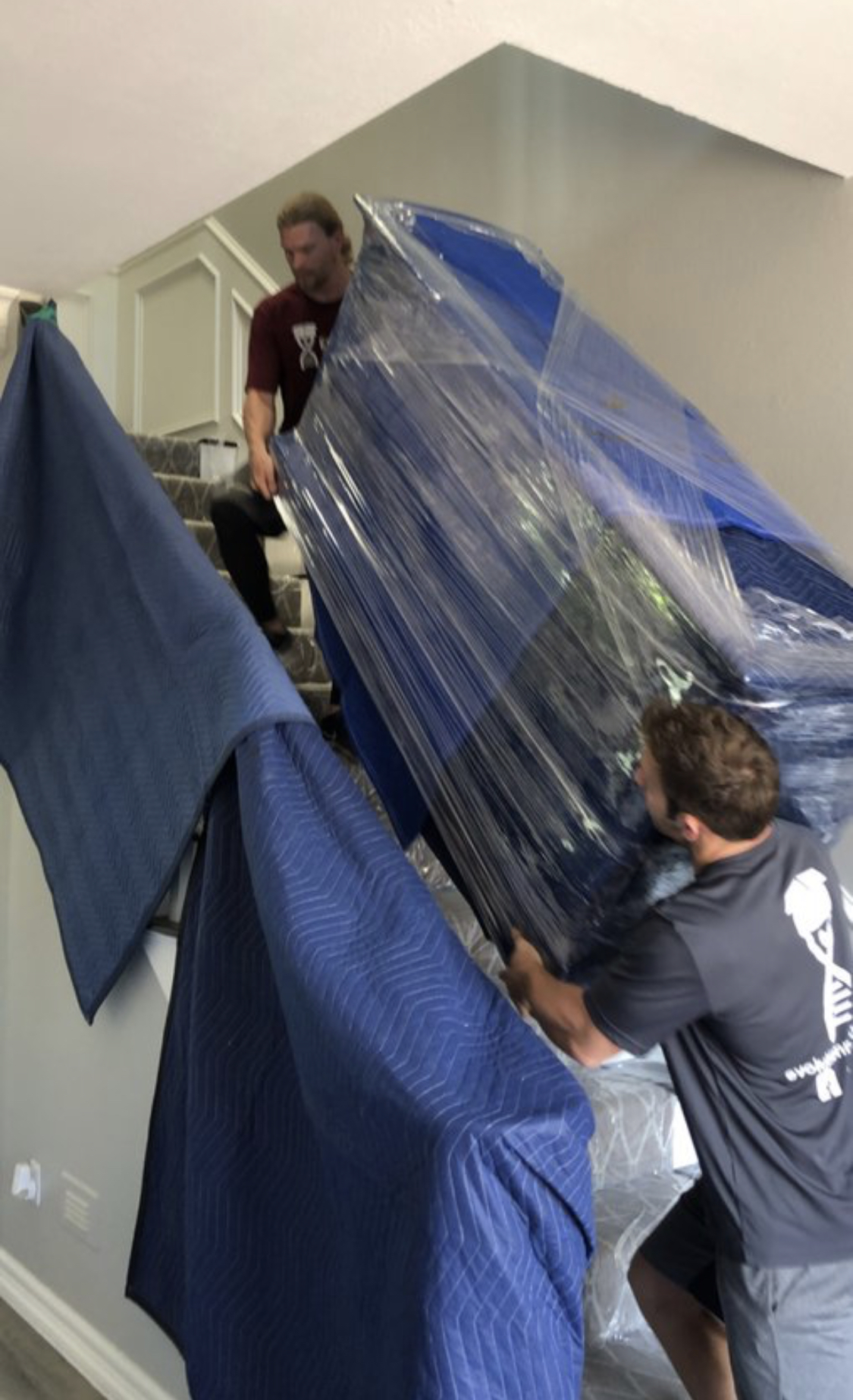
Near Alma School and Southern, older apartments have narrow staircases with quarter turns. Tall dressers and sofas often require a tilt and rotate. Here, taking legs off and wrapping furniture earlier than usual saves paint and knuckles. The extra five minutes of prep pays for itself on the first flight of stairs.
Packing rules that bend in the Mesa heat
Standard packing guides say tape once across the seam, then again perpendicular for strength. In Mesa’s hottest months, the perpendicular strip matters more because adhesives soften. Press the tape with a handheld squeegee or even the spine of a paperback to set it. Boxes stored in the garage should sit on foam or cardboard sheets instead of directly on concrete, which holds heat and can cause condensation with cooler boxes from air-conditioned rooms.
Liquids and powders deserve special treatment. Shampoo bottles and spices do not love heat swings. Double-bag liquids in zipper bags and pack them in small boxes without heavy items above. For candles, wrap individually and place them upright in a shoebox inside a larger container. If you are moving on a 110-degree day, tuck these into your car at the last minute.
How Homelove Movers - AZ approaches Mesa’s month-end rush
When schedules compress at the end of the month, the difference between an on-time arrival and a rolling delay is often upstream communication. Homelove Movers - AZ crews confirm access details two days before and again the evening prior. A simple text chain that includes gate codes, unit numbers, and elevator reservations keeps everyone aligned and reduces the morning scramble. On days when multiple households in the same complex move at once, the crew leader will introduce themselves to other movers on site. Friendly coordination can smooth elevator sharing and dock rotations. That tone carries more weight than any posted sign.
In the office, dispatch maps routes around US 60 choke points and monitors ADOT incident alerts. A 10-minute detour early in the day beats 40 minutes stuck behind a closure near Gilbert Road. Dispatch also watches storm radar during monsoon season and can advise a short pause if a heavy cell is tracking toward your destination.
DIY timing traps to avoid
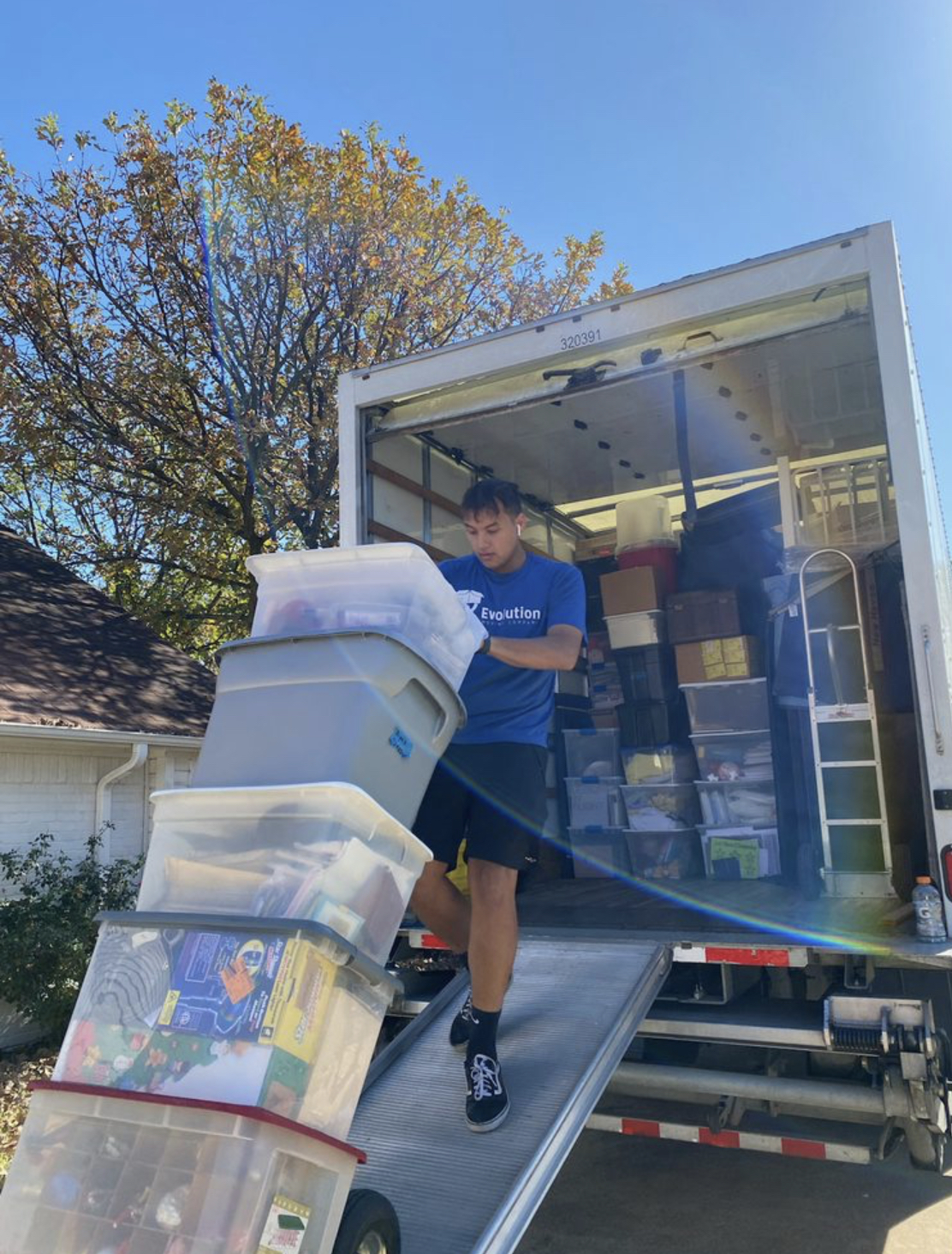
A few common missteps repeat across Mesa moves. The first is underestimating carry distance in townhouse communities. Cutting a 150-foot walk twice per item is a time killer. Use rolling platforms and consolidate. The second is leaving beds for last, then assembling in poor light after a long day. Build bed frames early at destination and lean mattresses nearby. The third is ignoring pet logistics. Dogs and cats get stressed by open doors and unfamiliar people. Boarding them or staging them with a neighbor during the heavy loading window keeps them safe and speeds your day.
The last trap is getting locked out of your own tools. Keep a small open-top tote accessible with Allen keys, screwdrivers, box cutter, a permanent marker, wall putty for minor patching, and a handful of zip-top bags. As you disassemble furniture, hardware goes into a bag labeled with painter’s tape and then gets taped to the headboard or table underside. This avoids the 30-minute hunt at the end of the day when energy is lowest.
A practical Mesa moving timeline you can adapt
Think of your move across three windows. Four to six weeks before, if you have that runway, start donating or selling the items that will not make the trip. Two to three weeks out, secure moving services if you are hiring, get any elevator or dock reservations, and collect materials: boxes, tape, blankets, and wraps suited for heat and potential storms. One week out, pack 70 percent of non-essentials and stage them in a shaded space. Two days out, confirm with your property, your mover or helpers, and your own schedule. The day before, pack a first-night box with essentials, defrost and clean the fridge if needed, and hydrate. Move day, start early, clear pathways, protect entries, and work the plan.
Here is a short timing checklist that fits Mesa conditions:
- Start times: sunrise in summer, mid-morning in winter for daylight finish. Access: elevator reservations, gate codes, HOA hours confirmed 48 hours ahead. Weather plan: stretch wrap, mattress bags, and plastic sheeting ready during monsoon months. Parking: scout curb space, watch irrigation heads, align truck for a low ramp angle. Load order: heavy items and long carries early, heat-sensitive items last in and first out.
Residential moving companies and when professional help changes the calculus
For small apartments with limited furniture, DIY can work well if you match the timing to weather and elevator access. For larger homes, awkward stairs, or tight schedules, residential moving companies bring speed and safety. The team coordination alone changes how time unfolds on move day. Four pros who lift daily carry a piano differently than strong friends do occasionally. That matters on narrow turns and in high heat.
If you are calling around Mesa for moving services, ask practical questions. How do they schedule start times for heat? Do they bring door jamb protectors and floor runners? How do they handle afternoon monsoon pivots? What is their process for elevator reservations and certificate of insurance requests? A company that answers those cleanly will run a better day. Availability is another tell. In peak season, a crew that promises a precise late-afternoon start on short notice may be overbooking. A realistic window with clear communication often signals experience.
Local residential moving Mesa quirks worth noting
Mesa’s size means you can be inside a move that feels suburban in the morning and urban by lunchtime. West Mesa apartments often require tight truck placement and elevator choreography. East Mesa subdivisions offer wide streets but longer distances from the truck to the door on corner lots. Monsoon storms can hit one part of the city hard and skip another. Build a little slack into your schedule to absorb these differences. For a five-mile move, a 30-minute cushion can absorb a surprised elevator delay or a quick weather stop without pushing you past HOA quiet hours.
Public services timing matters too. Trash and bulk pickup days vary by neighborhood. If your move day aligns with bulk pickup, curb space can vanish under debris piles. Check schedules and adjust truck placement or ask a neighbor for a shared stretch of curb for the morning.
When timing guards the things you care about
The items most at risk on Mesa move days are not always the heaviest. Musical instruments, framed art, houseplants, and certain plastics react poorly to heat. If you are moving a guitar or violin, keep it in a climate-controlled car with the AC on during transit. For art, avoid leaving pieces in a truck parked in the sun at destination while you tour the place with the leasing agent. Do the walkthrough first, then unload sensitive items right away. Plants prefer early morning loading and quick transit. If you have to choose between a perfect truck pack and plant health, give the greenery a car ride and seatbelt.
The nice-to-haves that become must-haves in July
Shade structures save lives on the worst days. A pop-up canopy at the curb or over the ramp lowers temperatures and keeps hands from burning on metal handles. Cooling towels and a small cooler with ice water make a big difference in crew stamina. For longer days, portable fans pointed toward the door speed up air exchange and help with comfort. These are not luxuries in June through August. They reduce errors and keep the timeline intact.

Experience distilled: timing is your quiet advantage
Good moving days in Mesa share a pattern. Starts are early, paths are clear, elevators are booked, and weather pivots are anticipated. Packing is disciplined, labels are visible, and heat-sensitive items take the quiet, climate-controlled ride. Access is confirmed, neighbors are informed, and the truck parks with intention.
Companies that work this way build their entire service around timing. Homelove Movers - AZ organizes summer schedules with sunrise departures and assigns extra hands for multi-story buildings with limited access. The goal is not just speed. It is reducing risk in the hours when heat, traffic, and building flow can collide. When crews finish by early afternoon, families get an evening to set up beds and kitchens before fatigue wins. That seemingly small detail changes the first night in a new home.
Mesa rewards people who read the calendar and the clock with care. Whether you handle the move yourself or bring in professional moving services, the timeline you set and the contingencies you prepare will decide how the day feels. In a city that runs hot for months, time is not a constraint. It is the tool that makes local residential moving work.