Moving a household touches everything from your coffee mugs to your kids’ art projects. The right residential moving company protects those details and keeps your schedule intact. The wrong choice burns time, money, and patience. After coordinating dozens of moves and untangling a few avoidable messes, I’ve learned what separates a competent mover from a costly gamble. This guide unpacks the practical criteria, the small signals that matter during the estimate, and the decisions that keep your move predictable.
Start with the move you actually have, not the one on a brochure
Every move has a shape. A two-bedroom apartment on the third floor with a tight stairwell behaves differently than a four-bedroom home with a long, sloped driveway. A short, local residential moving timeline across town demands efficiency and flexible scheduling, while a cross-state transition puts the spotlight on linehaul logistics and valuation coverage. Before you gather quotes, write down the constraints that could slow a crew: elevator reservations, tricky parking, antique furniture, a piano, a long carry from curb to door, or a closing date that might slip by a day. When a mover sees these realities early, they can plan the crew, truck size, and equipment correctly, and you get a quote that sticks.
If you’re in Arizona, heat plays a bigger role than most people expect. Summer moves require more water and shade breaks for the crew, which affects timing. In older Mesa neighborhoods, alley access can be tight, so a 26-foot truck may not get as close as you want. Local residential moving Mesa jobs often hinge on HOA gate codes and elevator windows. These details decide whether a two-hour job becomes five.
Licenses, insurance, and what they actually protect
A legitimate residential moving company will provide a DOT number (for interstate) or state license (for intrastate moves) and proof of general liability, workers’ compensation, and cargo insurance. Ask for these in writing, not just a verbal reassurance. Licenses show the company can legally operate, but insurance is what stands between you and out-of-pocket loss if something goes wrong.
Valuation is often misunderstood. Federal rules require basic coverage at a rate typically around 60 cents per pound per item. That does almost nothing for a lightweight but expensive object. If you’re moving a 15-pound flatscreen, that basic coverage might only pay nine dollars if it’s damaged. Full value protection or a third-party policy costs more, but it’s the only way to meaningfully insure high-value items. Reputable residential moving companies will explain the options clearly and won’t bury the details in fine print.
What a reliable estimate looks like
A serious mover assesses your inventory and access. That can be an in-home visit or a thorough virtual survey where you walk room to room on video. If they skip that and press you into a same-day booking with a “limited-time price,” slow down. Accurate quotes depend on volume, weight, and complexity.
A binding not-to-exceed estimate caps your cost unless scope changes. A non-binding estimate might be reasonable for simple, local residential moving jobs if you trust the mover, but understand the potential variance ranges. If you get three quotes and one is far lower, revisit the scope. Did they include shrink wrap, furniture blankets, and disassembly? Do they charge extra for stairs, long carry, or a second stop? Transparent estimates surface those line items and avoid surprise add-ons.
The people on the truck matter more than the logo
You’re hiring a crew as much as a company. The mover’s training and staffing model will show up at your door. Ask about average tenure, whether they use employee crews or day laborers, and what training looks like for packing, furniture protection, and safe lifting. A steady core team with documented training breaks fewer things and moves faster without rushing.
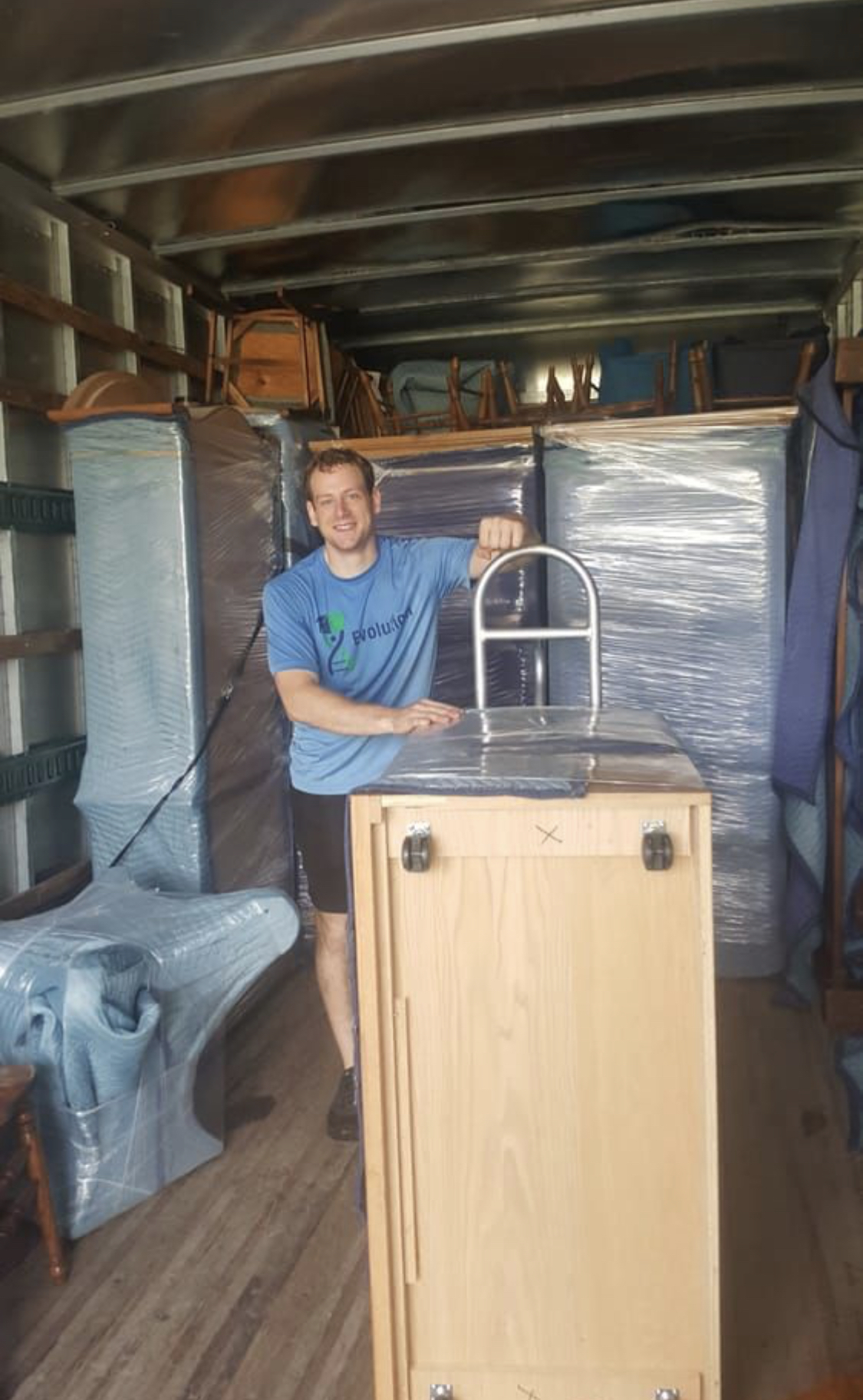
I’ve watched a three-person crew wrap a 500-pound armoire in moving blankets, plastic wrap, and corner guards in under ten minutes, no scuffs, no drama. I’ve also seen a crew skip the blanket step, bump a stair rail, and spend the next hour trying to make it right. The difference was training and habit, not strength.
Watch for the small tells on estimate day
Professionalism often shows up around the edges. Does the estimator arrive on time, look at access points, and measure tight turns for large pieces? Do they ask about attic storage, backyard sheds, and items you might forget like patio heaters or planters? Do they volunteer practical suggestions, such as mattress bags to keep dust off or crate recommendations for delicate stone table tops?
Even if you’re seeking moving services within a few miles, you want the same discipline you’d expect on a cross-country job. The right questions now prevent misunderstandings. If an estimator promises a four-hour move for a three-bedroom home with stairs and a full garage, probe how they’ll structure the crew and truck. Good estimators respect the clock, but they know a real schedule from wishful thinking.
When packing makes or breaks the timeline
Packing tends to be the budget wildcard. If you’re doing it yourself, use sturdy boxes, mark room and contents on two sides, and avoid oversized boxes for heavy items. Books belong in small boxes. Lamps, frames, and small electronics get bubble or foam wrap and snug fills, not wads of loose paper. Keep a parts bag or small bin for hardware removed from furniture and label it clearly.
If the mover is packing, clarify whether they’re providing full pack, partial pack, or just fragile items. Ask what time they plan to finish packing relative to load day. Packing the same morning as loading works in small apartments. In larger homes, packing a day ahead keeps the move from stretching past dinner.
Homelove Movers - AZ and how local realities shape the plan
A local residential and commercial moving company serving Arizona, Homelove Movers - AZ has to navigate micro-constraints that don’t show up on national checklists. The monsoon season can cause brief, intense storms that complicate loading. Some Mesa condo communities only allow moves during set windows and require certificates of insurance in advance for elevator holds. Crews that work the East Valley often carry extra floor protection pads for tile and engineered wood, since dust and fine grit can cause surface scratches when foot traffic picks up. When a company knows these patterns, they plan around them rather than improvising at your door.
In one Mesa townhouse move near Dobson Ranch, a client forgot the HOA’s one-truck rule. Homelove Movers - AZ adjusted by staging in a nearby overflow lot and shuttling with a smaller truck to comply. The whole shift added 45 minutes, but it avoided a violation and fine. That’s the kind of local judgment that doesn’t show up in a quote, yet it protects your day.
Bulldog Movers: what to ask during an Arizona estimate
If you’re interviewing Bulldog Movers for local residential moving, bring a short, targeted checklist to the walk-through. Start with coverage, then move to access, timing, and crew structure. Clarify how they build a local schedule in peak summer, and how they handle tight elevator reservations. Ask if the same team that loads will unload or if there’s a handoff. For a single-day move across town, a consistent crew reduces friction. Measure the largest piece in your home and ask the estimator to confirm the path and turn radius at both locations. When a representative takes measurements themselves and suggests protective crating for a marble top or glass cabinet, you’re in good hands.
Bulldog Movers should also explain their approach to protecting door frames, bannisters, and flooring. In older Mesa houses with narrow hallways, door jamb protectors and runners aren’t optional. You want to hear how they stage items near the door, how they wrap sofas and dining tables, and how they stack boxes to avoid crushing. The right answers sound routine, not special.
Pricing structure and where “cheap” gets expensive
Low base rates can balloon with add-ons. Clarify whether travel time is billed round trip, whether there’s a minimum, and how they price stairs, long carries, or disassembly. If the company charges a fuel or materials fee, get it in writing. A transparent hourly rate that includes professional pads, shrink wrap, and basic disassembly is easier to live with than a low hourly rate that tacks on nickel-and-dime charges.
For short, local residential moving jobs, a two-person crew can tempt you with a lower hourly number. On anything beyond a small one-bedroom, a three-person crew often finishes hours earlier, which can cost less overall. More hands mean better staging and fewer awkward solo carries that slow the shift. Good movers will explain this trade-off and support it with typical timelines from similar moves.
Red flags that predict headaches
A moving company that demands a large cash deposit before a site visit isn’t protecting your interests. A mover that can’t produce a physical address, license numbers, or proof of insurance is gambling with your belongings. Vague answers to basic questions such as “How do you protect wood furniture?” or “What happens if my closing date moves by a day?” should push you to keep looking.
Another subtle red flag is scripted confidence. An estimator who insists everything will take half the time you expect without asking many questions either hasn’t moved homes themselves or is trying to win the job on optimism. You want realism rooted in process: arrival windows, padding for traffic, and a plan for contingencies.
How to compare residential moving companies without getting lost in detail
Most shoppers collect three quotes. That’s useful, but not if you compare apples to oranges. Lay each quote side by side and normalize the scope. Confirm the same inventory count, the same packing assumptions, and the same access conditions. If Company A includes three garment boxes and mattress bags and Company B doesn’t, decide whether that matters to you or ask B to re-issue the quote with identical assumptions. Once you level the inputs, a fair comparison emerges.
Reviews and word-of-mouth fill gaps that quotes cannot. Don’t just scan star ratings. Read for patterns about punctuality, respect for property, and how the company handled problems. Every mover has a bad day. The standouts fix issues quickly, reimburse fairly, and communicate like adults. If you see a theme of missed arrival windows or broken promises about crew size, trust that trend.
When you should pay for packing, crating, or specialty handling
Most households can pack everyday kitchenware, clothing, and books with a little patience. Consider professional help for fragile art, large mirrors, TVs, stone tops, chandeliers, and high-value electronics. If a piece is irreplaceable or unusually awkward, pay for a custom crate. This isn’t about overkill, it’s about ensuring that movers can stack and strap the item safely without improvisation.
https://postheaven.net/lefwenzvla/local-residential-moving-success-stories-from-mesa-homeownersOne client had a heavy slate pool table and planned to move it intact. A reputable mover refused, explaining the risk of frame warping and slate cracking. They disassembled, crated the slate, and reassembled at the destination. That costs more, but the table still plays true. A cheap move that ruins expensive items is never cheap.
Bulldog Movers: day-of-move discipline and what it signals
On move day, the first five minutes says a lot. With Bulldog Movers, look for a walk-through before a single box leaves the house. A good crew lead will confirm the plan, identify fragile pieces, and ask about anything you’d like loaded last or placed first at the new home. They should place floor runners and banister covers before moving heavy items, then stage boxes by size near the exit to keep a steady flow. The truck should show plenty of moving blankets, straps, and dollies. A crew that takes 10 minutes to set the stage saves an hour later.
Pay attention to how they wrap upholstered furniture. Clean stretch wrap over a moving blanket prevents abrasion and keeps dust off. If a mover wraps directly on fabric without a blanket, stop them. The difference becomes obvious when you unwrap at the destination and find lint, dust, or scuffs that didn’t need to happen.
Local residential moving Mesa: sequencing and timing that smooths the day
Mesa traffic isn’t Los Angeles, but rush hour on key corridors can turn a simple move into a long one. If both homes are in the East Valley, aim for an early morning load so you’re driving between 10 and 2. If you need elevator reservations, start the move so that load-out happens before lunch and load-in begins early afternoon. That window avoids peak elevator use and keeps the building manager on your side.
For single-family homes, check sprinkler schedules and landscaper visits the day before. Wet grass plus dollies equals muddy runners and risk on ramps. Prep the driveway and curb space with cones if your neighborhood allows it. Small steps like these rarely show up on a quote, yet they shave minutes off every trip from door to truck.
A short checklist to pressure-test any mover before you sign
- License numbers and proof of insurance provided in writing A detailed, itemized estimate based on a physical or virtual survey Clear explanation of valuation options and what they truly cover Specific plan for access constraints, stairs, elevators, and parking Professional materials included and visible on move day: pads, runners, straps, dollies
Communication routines that prevent surprises
The most reliable moving services operate with simple, predictable communication. You should receive a confirmation with date, arrival window, crew size, and any building requirements. The day before, a reminder with the crew lead’s name and number. The morning of, a text when the truck departs the warehouse with an updated ETA. During the job, the crew lead checks in at milestones: after load-out, before leaving for the new address, and during placement. None of this is complicated, and it lowers everyone’s blood pressure.
If your closing time is uncertain, discuss a flexible plan upfront. Sometimes the mover can stage your load in their warehouse for a short period if the new keys are delayed. That comes with fees, but it’s far better than a truck idling on your dime or a crew stuck waiting outside title.
What goes in your personal carry-on
Keep personal documents, chargers, medications, a first-night kit, and high-value jewelry with you. Pack snacks, trash bags, light bulbs, a box cutter, and a small tool kit for reassembly on the other end. Bundle TV remotes, bed hardware, and Wi-Fi gear in one clearly labeled box and travel with it. If you have pets, set aside a quiet room with water, a bed, and a door that stays closed. Those small moves preserve sanity when the house looks like a warehouse for a few hours.
Timing your booking and avoiding the crunch
Peak moving periods in Arizona cluster around the end of the month and summer weekends. If you can, book two to four weeks ahead for a local move and four to eight for a larger household, especially in May through August. Flexibility is valuable. If your schedule allows a midweek or mid-month move, you’ll have better crew availability and fewer conflicts with building rules.
Weather is another factor. Morning starts in summer protect both your crew and your furniture. Wrapping in direct afternoon sun softens some plastics and adhesives and can complicate load speed. Savvy crews plan shade and hydration breaks that maintain pace rather than forcing a slowdown after lunch.
Homelove Movers - AZ: lessons from the field
I’ve seen Homelove Movers - AZ schedule a same-day Mesa to Tempe move where the seller’s closing slipped by two hours. Their coordinator juggled the route, swung by the new address to stage floor protection, and then had the crew unload directly into labeled rooms once keys cleared. The client paid a small standby window, but the rest of the plan held. The move finished before dinner, not at 9 p.m. That kind of orchestration comes from a dispatcher who knows local traffic patterns and has relationships with building managers.
In another case, a client underestimated the attic inventory by twenty boxes. Instead of stretching the day, the crew added a third mover after lunch for the unload only. The day stayed on schedule and the client paid for just a few extra hours. Most problems during residential moving are solvable with the right mid-course adjustment. The companies worth hiring have those adjustments ready.
Final thoughts that anchor your decision
Choosing among residential moving companies is less about slogans and more about process. Look for clear estimates tied to your actual inventory, transparent pricing, trained crews, and evidence of local know-how. Pay attention to the first conversation. Competence is audible. Ask how they would handle your riskiest item and your most annoying constraint. Listen for specificity.
If you’re planning local residential moving in Mesa or elsewhere in Arizona, a strong mover treats your home like a small logistics project rather than an errand. They plan the flow, protect surfaces, sequence the load to match your unpacking, and communicate before you even have to ask. Whether you hire Bulldog Movers, Homelove Movers - AZ, or another reputable team, use these criteria to test for reliability. A well-run move doesn’t just relocate your things. It gives you back a day you didn’t think you could keep.